Root Canal Therapy in West Vancouver, BC
Persistent tooth pain, lingering sensitivity, or swelling may indicate a problem inside your tooth. Root canal therapy treats inflamed or infected dental pulp and may help preserve a tooth that might otherwise need extraction.
At Lumiere Dental Boutique, we provide root canal therapy in West Vancouver, BC, with care focused on your oral health, comfort, and treatment needs. We welcome patients from British Properties, Cedardale, Chartwell, and surrounding communities.
What Is Root Canal Therapy and How Does It Save Your Tooth?
During root canal therapy, the dentist removes inflamed or infected tissue from the tooth’s interior before thoroughly cleaning and sealing the root canals.
A tooth has three main layers:
- Enamel: The hard, mineralized layer covering the crown of the tooth, helping protect it from damage.
- Dentin: The layer beneath the enamel.
- Dental pulp: Soft tissue containing nerves, blood vessels, and connective tissue.
Deep decay, cracks, or injuries can damage the pulp and let bacteria in. After removing the damaged or infected tissue, your dentist thoroughly cleans and seals the root canals to help protect against reinfection. Once the dentist treats the root canal system and properly restores the tooth, it can continue functioning without its pulp.
When Do You Need Root Canal Treatment?
Signs You May Need a Root Canal
Possible symptoms of pulp inflammation or infection include:
- Persistent or severe tooth pain
- Lingering sensitivity to hot or cold
- Tooth discolouration
- Swollen or tender gums
- A pimple-like swelling near the tooth
- Pain when biting or chewing
- A cracked or damaged tooth
Some affected teeth cause no noticeable symptoms. A dental examination helps determine whether treatment is necessary.
Seek prompt dental care if pain or swelling worsens. Difficulty breathing or swallowing requires immediate medical attention at an emergency department.
Why Might You Need Root Canal Treatment?
Pulp inflammation or infection may result from:
- Deep decay: Cavities extending toward the pulp.
- Cracked teeth: Fractures that expose inner tooth structures to bacteria.
- Previous dental procedures: Extensive or repeated treatment that irritates the pulp.
- Dental trauma: Injuries that damage pulp tissue, even without visible fractures.
Your dentist will assess the cause before recommending treatment.
How Does Root Canal Therapy Work?
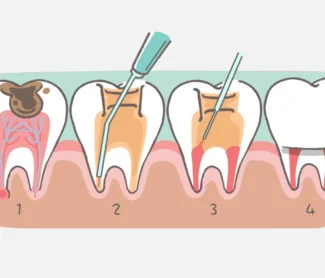
Step 1: Examination and Diagnosis
Your dentist examines the tooth, reviews your symptoms, and may take digital X-rays to assess its roots and surrounding bone.
Step 2: Removing Damaged Pulp and Cleaning the Canals
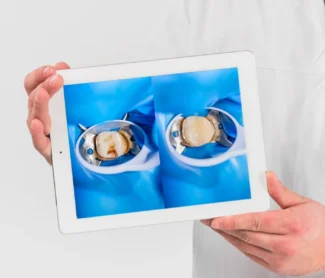
Local anesthetic helps manage discomfort. Your dentist accesses the pulp, removes affected tissue, and cleans and disinfects the canals. Your dentist may place a protective barrier around the tooth to keep saliva from entering the treatment area.
Step 3: Sealing and Protecting the Tooth
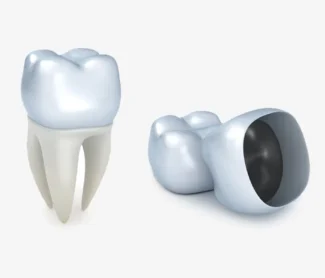
Your dentist places a filling material inside the cleaned root canals and seals them to help protect against further infection. A filling or crown may then be needed to restore and protect the tooth.
Some cases require additional appointments.
Is Root Canal Therapy Painful?
Local anesthetic helps keep the treatment area comfortable. You may feel pressure during the procedure, but tell your dentist if you experience significant discomfort.
Treatment targets the source of pain from pulp inflammation or infection. Mild tenderness afterward is possible and usually improves as you recover.
Talk to your dentist about any worries you have before undergoing root canal treatment.
How Does Root Canal Therapy Benefit Your Oral Health?
When a tooth is suitable for treatment, root canal therapy may:
- Preserve your natural tooth: Help avoid extraction when restoration is possible.
- Address infection: Remove infected tissue from the canals.
- Support chewing: Allow the restored tooth to function.
- Maintain appearance: Keep your natural tooth in place.
- Reduce replacement needs: If treatment succeeds, you may not need an implant, bridge, or denture right away.
Outcomes depend on the tooth’s condition, restoration, and ongoing care.
Root Canal Therapy vs. Tooth Extraction: Which Option Is Better?
Why Saving Your Natural Tooth Matters
Preserving a restorable tooth helps maintain your natural tooth structure and bite.
Extraction may be necessary when a tooth is severely fractured, cannot be restored, or has a poor treatment prognosis.
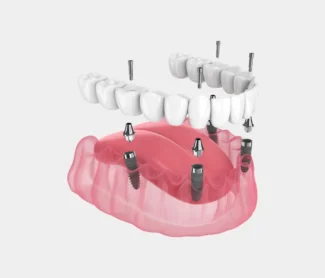
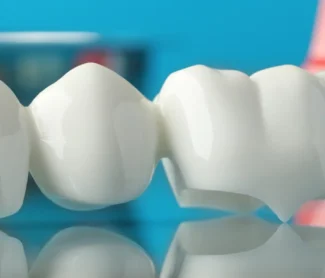
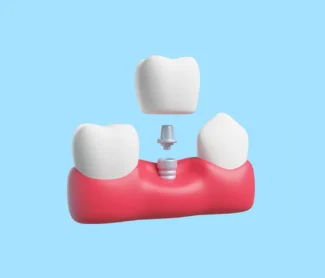
After extraction, you may consider a bridge, implant, or denture to replace the missing tooth. Your dentist can explain the benefits and limitations of each option.
What Should You Expect After Root Canal Treatment?
You may have mild tenderness when biting for several days. Once normal feeling returns to your mouth, you can eat without the added risk of biting your tongue or cheek due to numbness.
For recovery:
- Follow your dentist’s aftercare instructions.
- Until the tooth is fully restored, try not to put excessive pressure on it when chewing, especially with hard foods.
- Continue brushing and flossing.
- Attend appointments for the final restoration.
- Contact your dentist if pain worsens, swelling develops, or a temporary filling becomes loose.
How Long Does Root Canal Therapy Take?
Treatment time depends on the tooth’s anatomy, number of canals, and extent of damage or infection.
Some procedures are completed in one visit, while complex cases require additional appointments. After examining the tooth, your dentist will explain the expected timeline.
Personalized Root Canal Care in West Vancouver
Tooth pain and dental treatment can cause concern. We discuss examination findings, explain suitable options, and answer questions about the procedure and recovery.
Treatment planning considers your tooth’s condition, comfort, and the possibility of preserving your natural tooth.
Book a Root Canal Consultation in West Vancouver
Persistent tooth pain, swelling, or sensitivity may require dental attention. An examination can help your dentist understand the problem and recommend appropriate care.
Schedule a root canal consultation to discuss your symptoms, preserve your tooth, and review recommended care.
Frequently Asked Questions About Root Canal Therapy
Root canal therapy treats inflammation or infection inside a tooth by removing the affected tissue and sealing the cleaned canals. A filling or crown may then be needed to restore the tooth.
Persistent pain, lingering sensitivity, swelling, or tooth discolouration may indicate pulp damage. Diagnosis requires a dental examination.
Local anesthetic helps manage discomfort during treatment. Some tenderness afterward is possible.
Some treatments take one appointment, while more complex cases require additional visits.
Root canal therapy aims to preserve a tooth when its roots and remaining structure allow successful treatment and restoration.
A filling or crown may be needed to protect the tooth. Maintain oral hygiene and attend recommended follow-up visits.