Dental Bridges in West Vancouver, BC, for Missing Teeth Replacement
Missing teeth can affect chewing, speech, and the appearance of your smile. Neighbouring teeth may also shift towards the gap over time, affecting your bite. At Lumiere Dental Boutique, we provide dental bridges in West Vancouver, BC, with treatment planned around your oral health and individual needs.
We welcome patients from Park Royal, Sentinel Hill, British Properties, and surrounding West Vancouver communities.
Restore Your Smile With Custom Dental Bridges
A dental bridge replaces one or more missing teeth with a fixed restoration supported by neighbouring teeth or dental implants.
Bridges may improve chewing, help with speech difficulties caused by missing teeth, and reduce unwanted tooth movement. Each restoration is designed with your bite, remaining teeth, and appearance in mind.
Your dentist will also consider how the bridge fits alongside your existing teeth and whether the supporting structures can withstand everyday chewing forces.
What Is a Dental Bridge and How Does It Work?
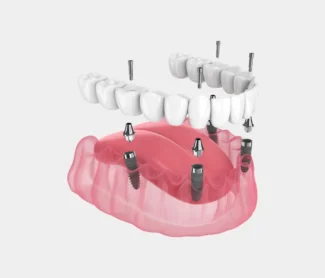
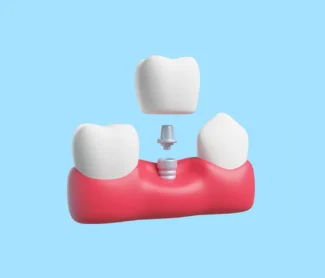
A bridge contains artificial teeth, called pontics, supported by natural teeth or implants.
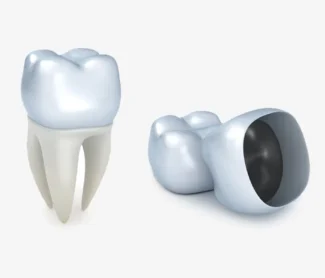
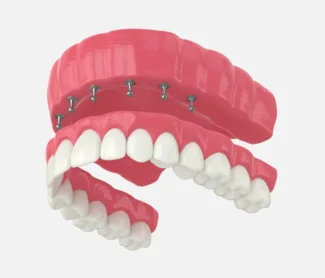
In a traditional bridge, neighbouring teeth, called abutment teeth, are prepared for crowns that support the replacement teeth. Implant-supported bridges attach to implants placed in the jawbone.
Your dentist recommends a bridge type based on the gap’s location and the condition of the supporting structures.
What Types of Dental Bridges Are Available?
Traditional Dental Bridges
A traditional dental bridge uses crowns on teeth beside the gap to support replacement teeth. It may be suitable when neighbouring teeth provide adequate support.
Implant-Supported Dental Bridges
These bridges attach to implants rather than natural teeth. They may replace multiple missing teeth without requiring crowns on adjacent teeth. Suitability depends on bone health and other factors.
Maryland Dental Bridges
A Maryland bridge uses a replacement tooth with wings bonded to neighbouring teeth. It may be considered for certain missing front teeth.
Temporary Dental Bridges
A temporary bridge may protect prepared teeth and maintain appearance while the permanent restoration is being made.
What Are the Benefits of Dental Bridges?
Improved oral function: Replacing missing teeth may make chewing more comfortable and help with speech difficulties.
Natural-looking appearance: Custom restorations can be designed to resemble surrounding teeth in colour, shape, and position.
Support for tooth spacing: A bridge may reduce movement of neighbouring teeth into the gap.
Bite support: Replacing missing teeth can help distribute chewing forces, depending on the supporting teeth and bite.
Who May Be a Candidate for Dental Bridges?
Dental bridges may suit patients who:
- Have one or more missing teeth
- Have suitable teeth or implants for support
- Prefer a fixed alternative to removable dentures
- Want to restore chewing or fill a visible gap
Your dentist will assess your gums, supporting teeth, bite, and the location of missing teeth before recommending treatment.
If the neighbouring teeth have decay or gum problems, these conditions may need attention before a bridge can be placed.
What Happens During Dental Bridge Treatment?
Step 1: Consultation
Your dentist examines the area where the tooth is missing, the surrounding teeth, and your gums before discussing replacement options.
Step 2: Preparation and Impressions
For traditional bridges, your dentist prepares the supporting teeth for crowns. Impressions or digital scans help plan the restoration.
Step 3: Bridge Fabrication
The bridge is made using materials selected for your needs, considering fit, tooth colour, and function. A temporary bridge may be provided.
Step 4: Placement
Your dentist checks the bridge’s fit and bite, secures it, and explains how to care for it.
Implant-supported bridges require additional surgical and healing stages.
Dental Bridges vs. Dental Implants
| Dental Bridges | Dental Implants |
| Supported by neighbouring teeth or implants | Placed in the jawbone to support replacement teeth |
| Traditional bridges generally avoid surgery | Require surgical placement |
| May require preparation of adjacent teeth | Can support crowns without preparing adjacent teeth |
| Need cleaning beneath the bridge | Need cleaning around implants and gums |
Your dentist will consider oral health, bone availability, and treatment preferences when discussing suitable options.
How Should You Care for a Dental Bridge?
Daily cleaning helps protect supporting teeth and gums.
- Brush twice daily with fluoride toothpaste.
- Clean beneath the bridge using floss threaders or recommended interdental tools.
- Clean carefully where the bridge meets natural teeth.
- Attend regular dental examinations and cleanings.
- Report looseness, discomfort, or changes in your bite.
Your dental team can show you proper cleaning techniques.
How Long Do Dental Bridges Last?
Bridge longevity depends on the materials, supporting teeth, biting forces, and oral hygiene.
Even well-maintained bridges may eventually require repair or replacement. Regular examinations help identify changes in the restoration or supporting tissues.
Changes in your bite, teeth grinding, or damage to the supporting teeth can also affect how long a bridge remains functional.
Personalized Dental Bridge Care in West Vancouver
We listen to your concerns, assess your oral health, and explain suitable tooth replacement options. Treatment planning considers comfort, appearance, function, and maintenance to support informed decisions.
Book a Dental Bridge Consultation in West Vancouver
If you have missing teeth or an existing bridge that needs attention, a dental examination can help identify suitable treatment options.
Schedule a consultation to discuss dental bridge replacement, alternative restorations, and long-term oral care.
Frequently Asked Questions About Dental Bridges
A dental bridge replaces missing teeth using artificial teeth supported by neighbouring natural teeth or implants.
A bridge may replace one or several teeth, depending on the gap and supporting structures.
Fixed bridges remain secured in place but require maintenance and may eventually need replacement.
You can choose tooth-colored materials to match your surrounding teeth. Appearance depends on the restoration’s design and materials.
Local anaesthesia may reduce discomfort during preparation. Temporary sensitivity or tenderness can occur afterward.
Traditional bridges generally involve appointments for examination, preparation, impressions, and placement. Timelines vary with individual needs.