Endodontics in West Vancouver, BC
Persistent tooth pain, sensitivity, or infection inside a tooth may require professional care. At Lumiere Dental Boutique, we provide endodontics in West Vancouver, BC, focused on identifying problems within the tooth and determining suitable treatment.
We welcome patients from Park Royal, Sentinel Hill, British Properties, and surrounding West Vancouver communities. When appropriate, endodontic care can address infection or inflammation and help preserve a natural tooth.
What Is Endodontics?
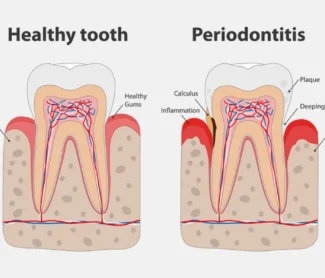
Endodontics focuses on conditions affecting the inside of a tooth, particularly the dental pulp. The pulp contains nerves, blood vessels, and connective tissue and extends into the tooth roots.
Deep decay, cracks, or dental trauma can inflame or infect the pulp. Endodontic treatment for infected teeth addresses these internal problems while aiming to preserve the tooth when possible. Root canal therapy is one of the most common endodontic procedures.
When Do You Need Endodontic Treatment?
Symptoms alone cannot confirm whether endodontic treatment is necessary. However, certain changes may indicate that a tooth needs evaluation.
Persistent Tooth Pain or Sensitivity
Ongoing toothache, pain when chewing, or sensitivity to hot or cold that lingers may indicate a problem inside the tooth. A dental professional should examine persistent or worsening symptoms.
Swelling Around the Tooth or Gums
Signs of a dental infection can include tenderness, swelling, or a raised area on the gum close to the tooth.
A dental abscess also requires professional evaluation.
Tooth Damage From Decay or Injury
Deep cavities, cracks, and dental trauma can affect the pulp. An examination can help determine how much of the tooth is affected and what care may be appropriate.
What Conditions Does Endodontics Treat?
Infected or Inflamed Tooth Pulp
Bacteria can reach the pulp through decay, cracks, or other tooth damage. Treatment for dental pulp infections may involve removing affected tissue, cleaning the root canals, and sealing the treated area.
Root Canal Problems
Endodontic care may address inflamed or infected pulp as well as problems involving previously treated teeth. New or persistent symptoms after earlier root canal treatment may require further evaluation.
Dental Abscess and Root Infection
Infection can develop within a tooth or around its root. Pain, swelling, tenderness, or changes in the surrounding gum may occur. Dental infections require professional assessment and should not be managed with home remedies alone.
Endodontic Services
Root Canal Treatment
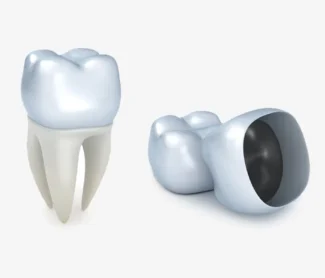
Root canal treatment involves removing affected pulp and cleaning, preparing, and sealing the canals inside the tooth. A restoration may then be needed to protect the tooth and restore function.
The goal of this infected tooth treatment is to address the internal problem while retaining the natural tooth when clinically appropriate.
Root Canal Retreatment
A previously treated tooth can occasionally develop new or persistent symptoms. Further examination can help determine whether retreatment, another procedure, or referral to an endodontist is appropriate.
Endodontic Diagnosis
Unexplained tooth pain does not always make its source obvious. Assessment may include reviewing symptoms, examining the tooth and surrounding tissues, and using diagnostic imaging when clinically necessary.
Specialist Referral When Needed
General dentists perform many root canal procedures, but complex cases may benefit from specialist care. If additional expertise or endodontic surgery is needed, you may discuss referral to an endodontist.
How Can Endodontic Treatment Help Preserve a Natural Tooth?
When a tooth can be treated, endodontic care may provide an alternative to extraction. Removing infected or inflamed tissue and treating the root canal system can help retain the remaining natural tooth structure.
Preserving the tooth can support normal chewing function. However, whether a tooth can be saved depends on the extent of damage or infection, the remaining tooth structure, and the condition of surrounding tissues.
Tooth-saving endodontic care therefore aims to preserve the natural tooth when clinically appropriate without guaranteeing that every tooth can be retained.
What Happens During an Endodontic Appointment?
Examination and Diagnosis
The appointment begins with a review of your symptoms and an examination of the tooth and surrounding tissues. Diagnostic imaging may be recommended when needed to evaluate the tooth and its roots.
Treatment Planning
Your dentist will explain the findings, discuss appropriate options, and answer questions about the recommended procedure, alternatives, and follow-up care.
Treatment and Follow-Up
If root canal treatment is appropriate, local anesthetic is commonly used to manage discomfort. The dentist removes the affected tissue, then cleans and seals the canals. Additional restoration may be required afterward.
Endodontic Care in West Vancouver
Clear communication helps you understand the cause of your symptoms and your treatment options. Patients looking for an endodontic clinic in West Vancouver or searching for endodontics near me should also consider whether their condition requires general dental care or specialist involvement.
We welcome patients from Park Royal, Sentinel Hill, British Properties, and surrounding communities.
Endodontics and Specialist Care: When Is a Referral Needed?
An endodontist is a dentist with additional specialized education in diagnosing and treating conditions involving dental pulp and tissues surrounding tooth roots.
Complex root anatomy, persistent symptoms, previous root canal treatment, or cases that may require surgery can sometimes warrant specialist care. Your dentist can discuss referral if additional endodontic expertise is appropriate.
Take the Next Step for Your Tooth Health
If you have persistent tooth pain, sensitivity, swelling, or concerns about an infected tooth, contact our dental team to discuss your symptoms and available endodontic services in West Vancouver.
Frequently Asked Questions About Endodontics
Endodontists focus on problems inside the tooth and around its roots, including more complex root canal cases.
Local anesthetic is commonly used during root canal treatment to manage discomfort. Individual experiences vary, so discuss any concerns with your dental team.
Persistent pain, lingering sensitivity, swelling, or discomfort when biting may require evaluation. These symptoms do not necessarily mean you need a root canal.
The purpose of treatment is to preserve the natural tooth when it can be successfully treated. Whether this is possible depends on the tooth and surrounding tissues.
Recovery varies with the tooth, procedure, and individual circumstances. Your dental team can provide instructions based on your treatment.
A dentist should evaluate persistent, severe, or worsening tooth pain. If ongoing tooth pain has you searching for a root canal appointment near me, an examination can help identify the cause and guide your treatment options.