Periodontics in West Vancouver, BC
Bleeding gums, persistent bad breath, or gum recession may indicate problems with the tissues supporting your teeth. Without appropriate care, gum disease can progress and damage the bone that keeps teeth stable.
At Lumiere Dental Boutique, we provide periodontics in West Vancouver, BC, with care focused on assessing gum health and recommending suitable treatment. We welcome patients from Ambleside, Dundarave, Park Royal, and surrounding communities.
Protect Your Gum Health With Personalized Periodontal Care
Strong gum tissue and healthy supporting bone play an important role in maintaining tooth stability. Plaque buildup near the gums can trigger inflammation and, in some cases, contribute to the development of periodontitis.
Periodontal care focuses on managing gum problems and limiting further tissue damage. Treatment depends on your gum health, examination findings, and individual needs. Early assessment can help identify changes in your gums before more noticeable symptoms develop, allowing your dentist to recommend appropriate care.
What Is Periodontics and How Does It Help Your Oral Health?
Periodontics focuses on the gums, periodontal ligament, and bone supporting your teeth. A periodontist is a dentist with additional specialist training in treating these tissues.
Common periodontal conditions include:
- Gingivitis: Gum inflammation causing redness, swelling, or bleeding.
- Periodontitis: Gum disease that damages supporting tissues and bone.
- Periodontal pockets: Deepened spaces between teeth and gums where bacteria accumulate.
- Gum recession: Gum tissue moving away from the tooth, exposing more of its surface.
- Bone loss: Damage to supporting bone associated with periodontal disease.
An examination helps determine whether general dental treatment or specialist care is appropriate.
What Are the Signs You May Need Periodontal Treatment?
Gum disease may develop without noticeable pain. Warning signs include:
- Bleeding during brushing or flossing
- Red, swollen, or tender gums
- Persistent bad breath
- Receding gums or longer-looking teeth
- Loose teeth
- Changes in your bite
- Deep spaces between teeth and gums
These symptoms can have different causes. A dental exam helps determine whether you need periodontal treatment.
What Periodontal Treatments May Be Recommended?
Scaling and Root Planing (Deep Cleaning)
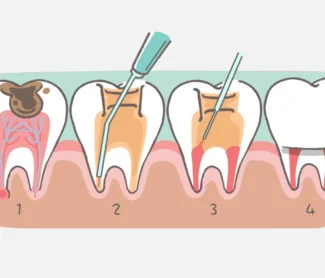
Scaling and root planing removes plaque and hardened deposits from tooth surfaces below the gumline. Cleaning the root surfaces helps support gum healing.
Unlike routine cleaning, this non-surgical treatment addresses deeper periodontal deposits and may require local anesthetic. Depending on the extent of buildup and the areas needing treatment, the cleaning may take more than one appointment.
Periodontal Maintenance for Long-Term Gum Health
Following treatment, maintenance appointments help monitor gum health and manage bacterial buildup. Visits may include cleaning, periodontal measurements, and assessment of areas needing attention.
Frequency depends on your condition and risk of disease progression.
Gum Grafting for Receding Gums
Gum grafting uses tissue to cover exposed roots or increase gum tissue in selected areas.
When suitable, it may reduce sensitivity, protect exposed roots, and improve gum coverage. Not every case of recession requires surgery.
Bone Grafting to Support Lost Bone
Periodontitis can damage bone surrounding the teeth. In selected cases, bone grafting may encourage regeneration of supporting bone.
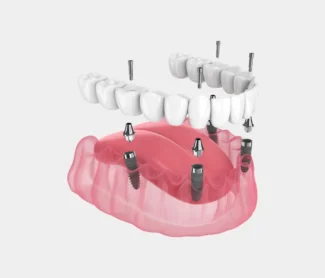
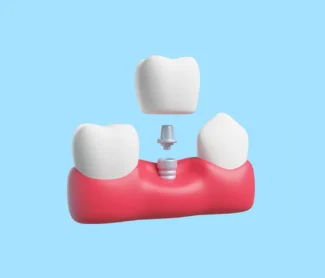
Grafting may also be considered before dental implant placement when existing bone is insufficient.
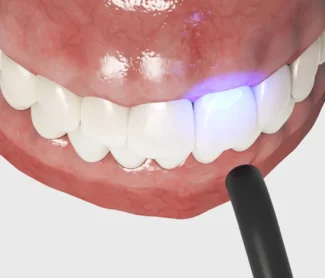
Laser Gum Therapy
Certain laser techniques may support periodontal treatment in selected cases. Their use depends on the diagnosis, clinical evidence, and treatment goals.
Laser therapy does not replace conventional treatment in every situation, and it cannot guarantee faster healing.
Surgical and Non-Surgical Periodontal Treatment Options
Treatment depends on disease severity and the condition of supporting tissues.
Non-surgical options include scaling and root planing, improved home care, and maintenance. In severe cases, surgical treatment may be needed to remove deposits beneath the gums or address damage to the surrounding tissues.
Regenerative procedures or gum contouring may also be considered when appropriate. Your dentist will explain suitable options and whether you need a specialist referral.
How Does Periodontal Treatment Help Protect Your Smile?
Removes Buildup Below the Gumline
Professional cleaning removes deposits that regular brushing and flossing cannot reach.
Helps Control Gum Inflammation
Reducing bacterial deposits can improve inflammation and support healthier gums.
Helps Preserve Teeth and Support Bone
Managing periodontitis may slow further tissue damage and reduce the risk of tooth mobility or loss.
Supports Individualized Gum Care
Depending on the condition of your gums, your dentist may advise changes to your brushing and flossing habits or recommend further care to manage gum disease.
What Happens During a Periodontal Visit?
Step 1: Comprehensive Gum Evaluation
Your dentist examines your gums, measures periodontal pockets, checks for bleeding or loose teeth, and may recommend X-rays to assess bone support.
Step 2: Personalized Treatment Planning
Findings guide recommendations, which may include professional cleaning, periodontal therapy, or a referral to a specialist.
Step 3: Follow-Up and Maintenance
Follow-up visits help assess healing, monitor gum health, and adjust your care plan. Your dentist may also review brushing and interdental cleaning techniques to help you manage plaque between visits.
Personalized Periodontal Care in West Vancouver
Gum problems range from mild inflammation to conditions requiring more involved care. We explain our findings, discuss appropriate treatments, and guide you on ongoing maintenance.
Our approach considers your oral health history, comfort, and individual treatment needs.
Book a Periodontal Consultation in West Vancouver
Bleeding gums, recession, or persistent bad breath may require professional assessment. A dental exam can help uncover the cause of your concerns and guide your dentist in recommending suitable care.
Schedule a consultation to discuss your gum health, periodontal care, and recommended follow-up.
Frequently Asked Questions About Periodontics
Periodontists specialize in diagnosing and treating problems involving the gums and supporting bone, including periodontitis, gum recession, and bone defects.
Bleeding gums, swelling, recession, or loose teeth may indicate periodontal problems. An examination helps identify the cause.
Local anesthetic may be used for deep cleaning or surgery. Some tenderness afterward is possible.
Routine cleaning supports preventive care. Scaling and root planing removes deposits below the gumline when periodontal treatment is necessary.
Managing gum disease may reduce further tissue damage. Outcomes depend on disease severity, how well you respond to treatment, and maintenance.
The frequency of your maintenance visits depends on the condition of your gums, previous treatments, and risk of gum disease progression.