Restorative Dentistry in West Vancouver, BC
Tooth decay, cracked teeth, worn-down enamel, or missing teeth can affect how comfortably you eat, speak, and smile. At Lumiere Dental Boutique, we provide restorative dentistry in West Vancouver, BC, with care focused on repairing damaged teeth, replacing missing teeth, and supporting everyday oral function.
Our dental practice welcomes patients from Ambleside, Dundarave, Park Royal, and surrounding West Vancouver communities.
What Is Restorative Dentistry?
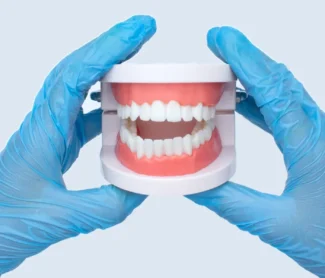
Restorative dentistry focuses on repairing or replacing teeth affected by decay, injury, wear, or tooth loss. While cosmetic dentistry primarily addresses appearance, restorative care aims to improve tooth function and oral health. Some treatments can also improve your smile’s appearance.
The right approach depends on the condition of your teeth, gums, bite, and remaining tooth structure.
What Restorative Dental Treatments Are Available?
Dental Crowns for Damaged or Weakened Teeth
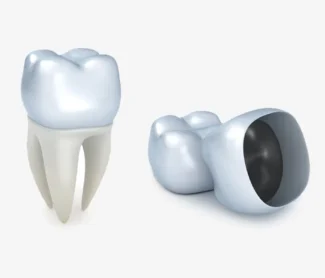
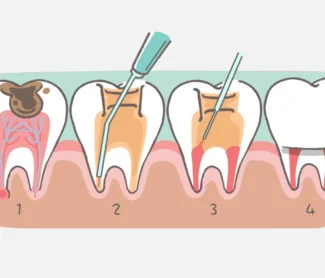
A dental crown is a custom-made covering placed over a prepared tooth. Dentists may recommend crowns for cracked teeth, extensive damage, large fillings, or teeth weakened after root canal treatment.
A crown can help protect remaining tooth structure and restore chewing function, although suitability depends on the tooth’s condition.
Dental Fillings for Cavities and Minor Damage
Dental fillings replace tooth structure lost to decay or minor damage. Tooth-colored composite materials can often match the surrounding teeth.
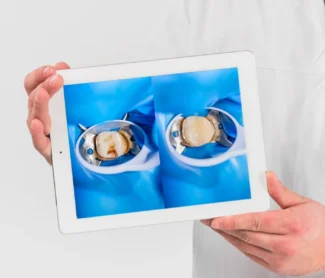
Treatment involves removing decay when present, preparing the area, and placing restorative material to rebuild the affected portion.
Dental Bridges for Missing Teeth
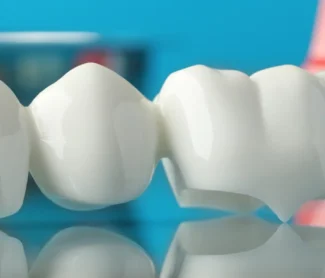
A dental bridge replaces one or more missing teeth using artificial teeth supported by neighbouring teeth or dental implants.
Bridges can help restore chewing and appearance. Your dentist will assess the supporting teeth, gums, and bite before recommending this option.
Dental Implants for Tooth Replacement
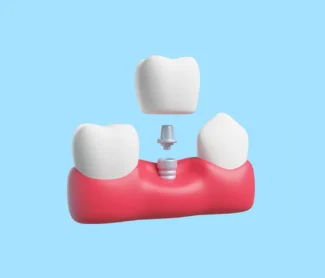
Dental implants are fixtures placed in the jawbone to support replacement teeth. A typical implant restoration includes an implant fixture, an abutment, and a crown.
Implants may provide stable tooth replacement and help preserve bone around the implant site. Suitability depends on bone health, medical history, and other clinical factors.
Dental Bonding for Small Chips and Cracks
Dental bonding uses tooth-coloured composite resin to repair certain chips, small defects, or areas of discolouration.
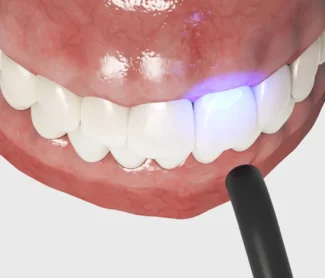
The dentist prepares the tooth surface, applies and shapes the material, and hardens it using a curing light. Bonding may not be suitable for extensive damage.
Inlays and Onlays for Moderate Tooth Damage
Inlays and onlays are custom restorations considered when a tooth needs more support than a conventional filling may provide.
An inlay fits within the chewing surface, while an onlay extends over one or more cusps. Both can help preserve remaining healthy tooth structure.
Dentures and Implant-Supported Dentures
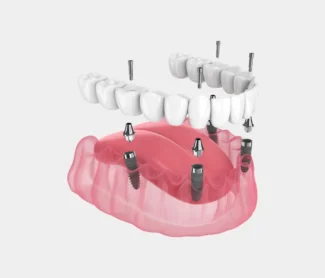
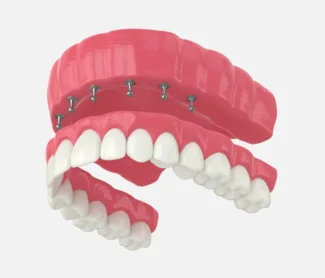
Partial dentures replace some missing teeth, while complete dentures replace all teeth in an upper or lower arch.
Implant-supported dentures attach to dental implants for additional retention and stability. Your dentist can discuss the benefits, maintenance needs, and suitability of each option.
What Are the Signs You May Need Restorative Dentistry?
Some dental problems develop gradually, while others follow an injury. Consider arranging a dental examination if you notice:
- Tooth pain or sensitivity
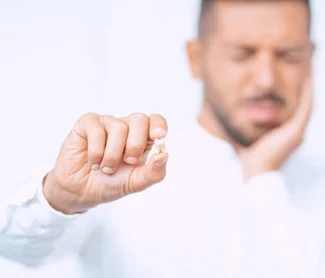
- Cracked, chipped, or broken teeth
- Difficulty biting or chewing
- Missing teeth or noticeable gaps
- Loose, damaged, or missing fillings or crowns
- Changes in how your teeth meet
- Visible cavities or areas of tooth damage
Not every symptom requires a major restoration. An examination helps identify the cause and appropriate treatment.
How Can Restorative Dentistry Benefit Your Oral Health?
Restore everyday function: Repairing or replacing teeth may improve chewing and help your bite function more comfortably.
Protect remaining tooth structure: Appropriate restorations can support weakened teeth and reduce the risk of further damage.
Improve smile appearance: Tooth-coloured materials and replacement teeth can help restore a more natural look.
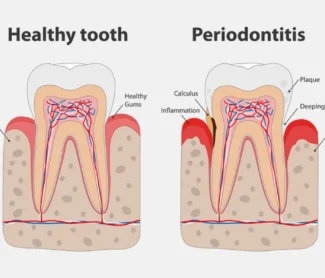
Support ongoing oral health: Addressing decay and damaged restorations may help prevent additional problems, alongside regular dental care.
Our Approach to Restorative Dental Care in West Vancouver
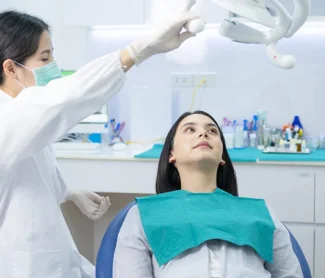
We begin by listening to your concerns, whether you have a damaged tooth, difficulty chewing, or questions about replacing missing teeth.
Our team explains the findings, discusses suitable options, and considers your oral health needs when planning care. We base treatment recommendations on clinical assessment rather than a one-size-fits-all approach.
What Happens During Restorative Dental Treatment?
Step 1: Dental Examination
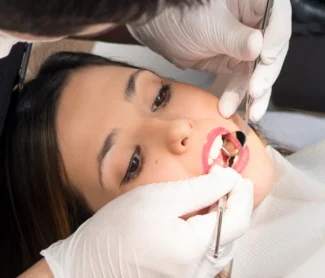
Your dentist examines your teeth, gums, and bite. Your dentist may recommend X-rays or other diagnostic records to assess the extent of the damage.
Step 2: Treatment Planning
Your dentist explains the available options, including the benefits, limitations, and expected steps involved. Some patients may need more than one procedure.
Step 3: Tooth Repair or Replacement
Treatment may involve placing a filling, preparing a tooth for a crown, or replacing missing teeth. The process varies depending on the restoration selected.
Step 4: Follow-Up and Maintenance
Regular dental examinations, daily brushing, flossing, and any restoration-specific care instructions help maintain your oral health.
Book a Restorative Dentistry Consultation in West Vancouver
Whether you need a filling, have a damaged tooth, or want to explore replacement options, a dental examination can help clarify your next steps.
Schedule a consultation to discuss your concerns and learn which restorative treatments may be appropriate.
Frequently Asked Questions About Restorative Dentistry
Restorative dentistry repairs damaged teeth or replaces missing teeth to support oral function, tooth structure, and appearance.
Common options include fillings, crowns, bridges, implants, bonding, inlays, onlays, and dentures. Treatment depends on your dental needs.
Pain, damaged teeth, missing teeth, or difficulty chewing may indicate a problem. After an examination, your dentist can determine whether restoration is necessary.
Local anesthesia may reduce discomfort during certain procedures. Some tenderness or sensitivity can occur afterward, depending on the treatment.
Yes. Many restorations use tooth-coloured materials or replacement teeth designed to resemble natural teeth. We consider both appearance and function during planning.
Our West Vancouver dental practice welcomes patients seeking assessment and treatment for damaged or missing teeth, including those from nearby communities.