Dental Veneers in West Vancouver, BC, for a Natural-Looking Smile
Chipped edges, stubborn stains, or uneven teeth can affect how you feel about your smile. At Lumiere Dental Boutique, we provide dental veneers in West Vancouver, BC, to help improve tooth colour, shape, size, and overall smile balance.
Our personalized approach considers your oral health, appearance preferences, and treatment goals. We welcome patients from Ambleside, Dundarave, Chartwell, and surrounding West Vancouver communities.
What Are Dental Veneers?
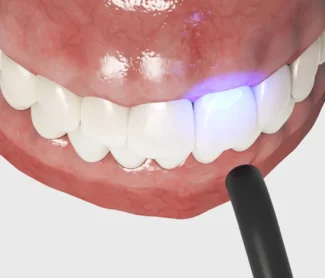
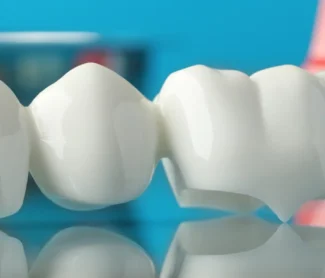
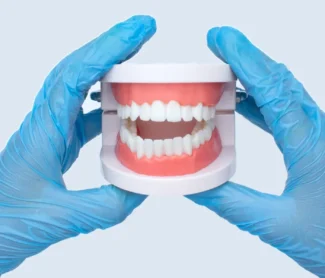
Dental veneers are thin, custom-made coverings bonded to the front surfaces of teeth. Cosmetic dentistry uses them to improve the appearance of selected visible teeth.
How Do Dental Veneers Improve Your Smile?
Natural-looking tooth veneers may help address uneven proportions, discolouration, minor chips, and differences in tooth shape. Veneers are designed to create a more balanced smile while complementing the appearance of your natural teeth.
What Dental Concerns Can Veneers Help Improve?
Stained or Discoloured Teeth
Veneers for stained teeth may cover deeper discolouration that does not respond adequately to professional whitening.
Minor Chips and Worn Edges
Veneers for chipped teeth can improve the appearance of small chips, irregular edges, or minor wear when sufficient healthy tooth structure remains.
Uneven Tooth Shape or Size
Veneers may improve the appearance of short, uneven, or irregularly shaped teeth by improving smile proportions.
Small Gaps Between Teeth
Veneers for gaps between teeth may reduce the appearance of minor spacing. Larger gaps or bite concerns may require orthodontic assessment.
Are Dental Veneers Right for You?
Veneers may suit patients with healthy teeth and gums, consistent oral hygiene habits, and realistic cosmetic expectations.
Active decay, untreated gum disease, significant tooth damage, or major bite problems may need attention before veneer treatment. Your dentist will also assess grinding habits and available enamel.
Porcelain Veneers vs. Composite Veneers
| Porcelain Veneers | Composite Veneers |
| Custom-made ceramic shells | Tooth-coloured composite resin |
| Generally more stain-resistant | More susceptible to staining |
| Usually require laboratory fabrication | May be applied directly in one visit |
| May require more tooth preparation | Often require less preparation |
| Can chip or fracture | May chip, wear, or need polishing |
Porcelain dental veneers may be considered when colour stability and appearance are priorities. Composite veneers may suit smaller cosmetic changes or situations where a more conservative approach is appropriate.
Your dentist can explain which material suits your tooth condition, bite, and preferences.
What Happens During Dental Veneer Treatment?
Step 1: Consultation and Smile Evaluation
Your dentist examines your teeth and gums, evaluates how your bite functions, and discusses the changes you hope to achieve.
Step 2: Smile Design and Planning
Your dentist considers tooth shade, shape, proportions, and surrounding teeth when planning custom dental veneers.
Step 3: Tooth Preparation
Some veneers require enamel removal to make room for the restoration. Your dentist explains the preparation needed and its implications before treatment.
Step 4: Custom Veneer Creation
For laboratory-made veneers, impressions or scans guide fabrication. Direct composite veneers may instead be shaped on the teeth.
Step 5: Veneer Placement and Bonding
Your dentist checks the veneers’ appearance, fit, and bite before bonding them to the teeth.
Step 6: Aftercare Guidance
You receive advice about cleaning, protecting your veneers, and attending follow-up appointments when needed.
How Long Do Dental Veneers Last?
Veneers can last several years, but longevity depends on material, oral hygiene, bite forces, and daily habits.
Porcelain and composite veneers may eventually require repair or replacement. Regular examinations help identify wear, damage, or changes around the veneer margins.
How to Care for Dental Veneers
Good daily habits help maintain veneers and the teeth beneath them:
- Brush twice daily with fluoride toothpaste.
- Floss regularly around treated teeth.
- Attend routine dental examinations and cleanings.
- Avoid biting ice, pens, or other hard objects.
- Discuss a nightguard with your dentist if you grind your teeth.
Contact your dentist if a veneer chips, becomes loose, or causes discomfort.
Are Dental Veneers Permanent?
Some veneer treatments involve removing natural enamel, which does not grow back. These procedures are generally considered irreversible.
Even when little or no enamel is removed, veneers may require future maintenance or replacement. Your dentist can explain the long-term considerations before treatment.
Veneers vs. Other Cosmetic Dentistry Treatments
| Treatment | Main Purpose |
| Dental Veneers | Improve the visible surfaces of selected teeth. |
| Teeth Whitening | Lightens the natural colour of teeth. |
| Dental Bonding | Uses composite resin to repair minor imperfections or adjust tooth shape. |
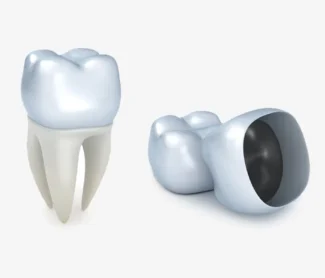
| Dental Crowns | Cover prepared teeth when more extensive restoration is needed. |
Veneers are not always the most conservative choice. Your dentist can discuss alternatives based on your oral health and cosmetic goals.
Personalized Veneer Care in West Vancouver
Our approach to cosmetic veneers for smile improvement begins with understanding your concerns and examining your teeth.
We discuss treatment options, material differences, preparation requirements, and maintenance before recommending care. Patients from Ambleside, Dundarave, Chartwell, and nearby communities can arrange an assessment.
If you’re searching for dental veneers near me, a consultation can help determine whether veneers suit your smile.
Schedule Your Dental Veneers Consultation in West Vancouver
Considering tooth veneers treatment for chipped, stained, uneven, or spaced teeth? Schedule an examination to discuss your cosmetic goals, available options, and whether veneers are right for you.
Frequently Asked Questions About Dental Veneers
Dental veneers are thin restorations bonded to the front of selected teeth to improve their appearance and create a more balanced smile.
Preparation varies by material and tooth condition. Some veneers require enamel removal, while others may need little or none.
Veneers can be designed to complement surrounding teeth, although appearance depends on material, shade, and individual circumstances.
Porcelain veneers may last many years with proper care, but their lifespan varies, and you may eventually need replacement.
Laboratory-made veneers commonly require multiple appointments. Direct composite veneers may be completed in one visit.
Veneers may improve the appearance of minor irregularities but do not straighten teeth or correct underlying bite problems.
Local anesthetic may be used during preparation. Temporary sensitivity is possible, and you should assess persistent discomfort.
Whitening treatments do not change the colour of porcelain or composite veneers. Discuss whitening goals before choosing a veneer shade.
Brush, floss, attend regular dental visits, and avoid biting hard objects. Discuss grinding habits with your dentist.