Dental Crowns in West Vancouver, BC
A cracked, broken, or weakened tooth can affect chewing and everyday comfort. At Lumiere Dental Boutique, we provide dental crowns in West Vancouver, BC, to help restore damaged teeth and improve their function and appearance.
Our team recommends treatment based on your oral health and individual needs. We welcome patients from Sentinel Hill, British Properties, Cedardale, and surrounding communities.
What Is a Dental Crown?
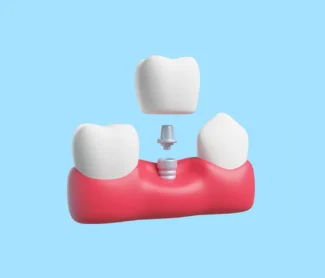
A dental crown is individually crafted to fit over a prepared tooth, helping restore its natural shape, appearance, and function. It helps protect weakened tooth structure while restoring shape, appearance, and chewing function.
Unlike fillings, which repair specific areas, custom dental crowns cover the entire prepared tooth when you need more extensive protection. The crown fits over the remaining tooth while letting you bite and chew comfortably.
When Do You Need a Dental Crown?
Cracked or Fractured Teeth
Crowns for broken teeth may protect remaining tooth structure and restore function. Deep fractures extending below the gumline may require other treatment.
Large Fillings or Weak Tooth Structure
If a tooth has substantial decay or an extensive filling, your dentist may suggest a crown to help protect and restore the remaining tooth structure.
After Root Canal Treatment
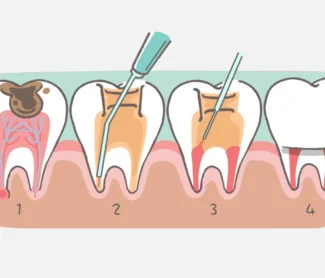
Some root canal-treated teeth, particularly back teeth exposed to greater chewing forces, benefit from crowns. Your dentist assesses how much healthy tooth structure remains before recommending the final restoration.
Worn, Misshapen, or Discoloured Teeth
Crowns may improve the appearance of severely worn or misshapen teeth when less extensive treatments are unsuitable.
Dental Implant or Bridge Restoration
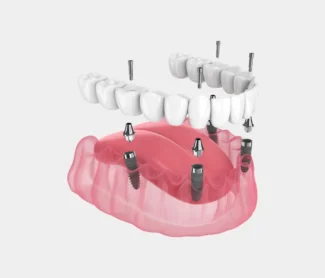
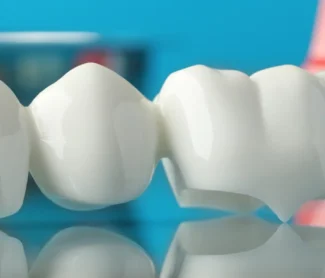
Crowns can restore dental implants or support certain bridges used to replace missing teeth.
Types of Dental Crowns Available
Crown materials differ in strength, appearance, and suitability. Your dentist can discuss options based on tooth location and bite forces.
Porcelain Dental Crowns
Porcelain dental crowns can resemble natural tooth colour and translucency, making them an option for visible teeth.
Ceramic and Zirconia Crowns
Ceramic dental crowns, including zirconia restorations, offer tooth-coloured options with varying strength and aesthetic characteristics.
Porcelain-Fused-to-Metal Crowns
These combine a metal framework with a porcelain exterior. Over time, the metal may become visible near the gumline.
Metal Crowns
Metal crowns offer durability, particularly for back teeth, although their appearance may not suit everyone.
What Happens During a Dental Crown Procedure?
Step 1: Initial Examination and Assessment
Your dentist examines the tooth, gums, and bite. Dental X-rays may help identify damage or decay. This assessment also helps determine whether you need additional treatment before crown placement.
Step 2: Tooth Preparation
The dentist treats damaged areas and shapes the tooth to accommodate the crown. Local anesthetic is commonly used.
Step 3: Digital Scan or Dental Impression
A digital scan or conventional impression records the prepared tooth and surrounding structures for crown fabrication.
Step 4: Temporary Crown Placement
A temporary crown may protect the tooth while the dentist prepares the permanent restoration.
Step 5: Final Crown Placement
Your dentist checks the crown’s fit, appearance, and bite before securing it.
Traditional crown treatment often involves two appointments, although timelines vary.
How Long Does a Dental Crown Last?
Crowns can function for many years, depending on material, oral hygiene, tooth condition, and bite pressure.
Teeth grinding, chewing hard objects, and decay around crown margins may affect longevity. Regular dental examinations help identify potential problems. Your dentist can also check for changes in the crown’s fit or signs of wear.
How to Care for Your Dental Crown
Daily care helps protect your crown and underlying tooth:
- Brush twice daily with fluoride toothpaste.
- Floss around the crown and neighbouring teeth.
- Attend routine dental examinations and cleanings.
- Avoid chewing ice or hard objects.
- Discuss a nightguard with your dentist if you grind your teeth.
Contact your dentist if your crown becomes loose, cracks, or causes persistent discomfort.
Dental Crowns vs. Other Restorative Treatments
| Treatment | Main Purpose |
| Dental Crown | Covers a damaged tooth to restore function and appearance. |
| Dental Filling | Repairs localized decay or damage. |
| Dental Veneer | Covers the front surface, primarily for cosmetic changes. |
| Dental Bridge | Replaces missing teeth using supporting teeth or implants. |
Your dentist considers the extent of damage and remaining tooth structure before recommending treatment.
Are Dental Crowns Comfortable and Natural-Looking?
Crown preparation usually involves local anesthetic. Temporary sensitivity or gum tenderness may occur afterward.
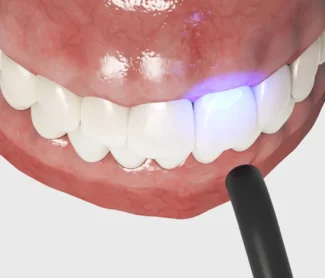
Tooth-coloured crowns can complement neighbouring teeth. Your dentist checks the restoration’s shape and bite to support comfortable chewing.
We should assess persistent discomfort or an uneven bite. An adjustment may be possible if the crown feels too high when biting.
Personalized Dental Crown Care in West Vancouver
Our approach to restorative dental crowns considers your tooth’s condition, chewing forces, and appearance preferences.
We explain suitable materials, treatment steps, and maintenance requirements. Patients from Ambleside, Dundarave, Park Royal, North Vancouver, and nearby communities are welcome.
If you’re looking for dental crowns near me, a consultation can help determine whether a crown is right for you.
Book a Dental Crown Consultation in West Vancouver
Concerned about a damaged or weakened tooth? A dental crown consultation can help you understand suitable restoration options.
Frequently Asked Questions About Dental Crowns
A dental crown is an individually crafted covering that helps rebuild a damaged tooth’s shape while improving its appearance and function.
Dentists may recommend crowns for extensive decay, fractures, large fillings, severe wear, or certain root canal-treated teeth.
Traditional treatment often requires two appointments, depending on fabrication and individual treatment needs.
Local anesthetic is commonly used during preparation. Temporary sensitivity may occur, but persistent pain requires assessment.
Crowns may last many years, depending on material, oral hygiene, bite forces, and maintenance.
Tooth-coloured materials can complement surrounding teeth, although appearance varies by material and individual circumstances.
Crowns may restore certain cracked or broken teeth when sufficient healthy tooth structure remains.
Brush, floss, attend routine dental visits, and avoid biting hard objects. Discuss teeth grinding with your dentist.