Dental Sealants in West Vancouver, BC – Preventive Cavity Protection
Even with regular brushing, the grooves of back teeth can be difficult to clean. The narrow grooves can make it easier for plaque and food debris to build up, potentially contributing to tooth decay. At Lumiere Dental Boutique, we provide dental sealants in West Vancouver, BC, to help protect vulnerable tooth surfaces as part of preventive dental care.
We welcome children, teenagers, and adults from British Properties, Cedardale, Chartwell, and surrounding West Vancouver communities.
When Might Dental Sealants Be Recommended?
Teeth with deep grooves that are difficult to keep clean may benefit from the added protection of dental sealants. A dentist may recommend them when these surfaces are more vulnerable to tooth decay.
Sealants are commonly considered for children and teenagers as their permanent molars emerge. Adults with healthy, unrestored chewing surfaces and an increased risk of cavities may also benefit.
Before recommending this cavity prevention treatment, the dentist examines the teeth and considers factors such as existing decay, tooth condition, and individual cavity risk.
The timing of sealant placement can also matter. Newly erupted permanent molars may have grooves that are particularly challenging to clean, making early assessment useful for identifying teeth that could benefit from protection.
Sealants provide additional protection but do not replace brushing, flossing, or regular dental examinations.
How Do Preventive Dental Sealants Protect Teeth?
Dental sealants involve applying a thin coating to the chewing surfaces of molars and premolars to help protect these teeth from decay. These surfaces often contain narrow pits and grooves where plaque and food particles can collect.
The sealant material forms a barrier over these areas, making them less accessible to cavity-causing bacteria and easier to keep clean.
Unlike fillings, which restore areas damaged by decay, preventive dental sealants are generally applied to suitable tooth surfaces before cavities develop.
Sealants are particularly useful for reaching narrow grooves that toothbrush bristles may not clean effectively. They reduce the likelihood of decay in these vulnerable areas.
This approach helps protect back teeth from cavities without routinely removing healthy tooth structure. However, sealants cannot prevent every cavity, particularly decay that develops between teeth or on unsealed surfaces.
What Happens During a Dental Sealants Appointment?
The dental sealant procedure is generally straightforward and does not typically require drilling or injections when applied to an otherwise healthy tooth.
The process usually involves four steps:
- Cleaning the tooth: The chewing surface is cleaned to remove plaque and debris.
- Preparing the enamel: The dentist applies a conditioning material to help the sealant bond to the tooth. The surface is then rinsed and dried.
- Applying the sealant: The dentist places the material into the tooth’s grooves.
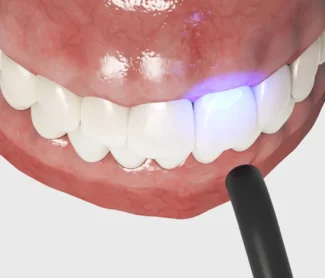
- Setting and checking: The material is hardened, commonly using a curing light, and the dentist checks the sealant and your bite.
Keeping the tooth dry during application is important because moisture can affect how well the sealant bonds to the enamel.
The dentist can explain the procedure beforehand and address any concerns about comfort or tooth sensitivity.
Dental Sealants for Children, Teens, and Adults
The need for sealants can change with age, tooth development, and individual oral health.
Children: As permanent molars emerge, their chewing surfaces may benefit from additional protection, particularly when the grooves are difficult to clean.
Teenagers: Sealants may be considered for newly erupted permanent teeth or other suitable surfaces that remain vulnerable to decay.
Adults: Patients with deep grooves, unrestored chewing surfaces, or certain cavity risk factors may also be candidates.
Although dental sealants can be part of preventive dentistry for all ages, they aren’t necessary for every patient or every tooth. A dental examination helps determine which teeth, if any, would benefit.
How Can You Maintain Your Dental Sealants?
Sealants can remain effective for several years, although their durability varies by material, tooth position, chewing habits, and overall oral health.
To help maintain your sealants:
- Brush twice daily with fluoride toothpaste.
- Clean between your teeth every day.
- Limit frequent sugary snacks and drinks.
- Attend dental examinations as recommended.
- Have your dentist check sealants for wear, damage, or loss.
A sealant may occasionally chip, wear down, or come loose. During routine examinations, the dentist can assess its condition and recommend repair or replacement when appropriate.
If you notice a change in how a sealed tooth feels when biting, mention it to your dental team.
Maintaining healthy teeth also requires attention to surfaces that sealants do not cover.
Family-Focused Preventive Dental Care in West Vancouver
Preventive dentistry involves more than addressing problems after they develop. It includes assessing cavity risk, monitoring oral health, and recommending measures that may help reduce future dental concerns.
Our family-friendly approach focuses on clear explanations and recommendations suited to each patient’s needs. We help patients understand whether tooth sealants are appropriate and how they fit into their broader oral hygiene routine.
If you are searching for tooth sealants near me, a dental examination can help determine whether sealants would benefit you or your child.
Book a Dental Sealants Appointment in West Vancouver
If you are considering sealants for yourself or your child, our dental team can examine the teeth and discuss suitable preventive options.
Contact us to learn more about dental sealant services and appointment availability in West Vancouver, BC.
Frequently Asked Questions About Dental Sealants
No. Children and teenagers commonly receive sealants as permanent molars emerge, but adults may also benefit. Suitability depends on tooth condition, existing restorations, and individual cavity risk.
Sealant placement is generally non-invasive and typically does not involve drilling or injections. Tell your dentist if you have concerns about sensitivity or discomfort.
Sealants can last several years, but their lifespan varies. Regular dental examinations help identify whether they remain intact or require repair or replacement.
Patients can generally resume eating once the sealant material has fully set. Your dentist will let you know if you need any specific precautions.
No. Sealants help protect selected chewing surfaces but do not prevent decay throughout the mouth. Daily brushing, flossing, and regular dental care remain important.