Dental Fillings in West Vancouver, BC
Decay or minor damage can weaken a tooth and make everyday biting or chewing uncomfortable. A dental filling replaces tooth structure lost to decay or minor damage while preserving as much healthy structure as possible. At Lumiere Dental Boutique, we provide dental fillings in West Vancouver, BC, with care based on each patient’s clinical needs. We welcome patients from Ambleside, Dundarave, Sentinel Hill, British Properties, and surrounding West Vancouver communities.
What Is a Dental Filling and How Does It Repair a Cavity?
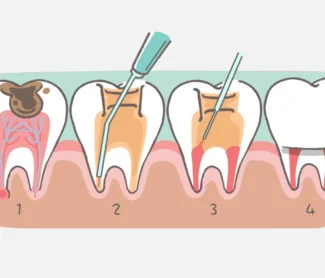
A cavity develops when tooth decay damages the hard structure of a tooth. When a filling is appropriate, the decayed or damaged portion is removed, and the area is prepared for restorative material. The restoration rebuilds the affected part of the tooth, helping restore its shape and function.
Before recommending tooth filling services, we consider the location and extent of the damage and how much healthy tooth structure remains.
What Are the Signs You May Need a Dental Filling?
Not every cavity causes noticeable symptoms. A routine dental examination may reveal early decay before it causes noticeable symptoms. As decay or tooth damage progresses, however, certain changes may become noticeable.
Possible signs include:
- Sensitivity to hot, cold, sweet, or acidic foods and drinks
- Toothache or unexplained discomfort
- Pain or sensitivity when biting or chewing
- A visible hole, dark area, or rough spot on a tooth
- Food repeatedly becoming trapped around a particular tooth
- A small chip or damaged area
- An existing filling that feels loose, rough, cracked, or damaged
These signs are not specific to cavities, so an examination is needed to identify their cause.
What Happens During a Dental Filling Procedure?
Examining the Tooth and Removing Decay
We examine the tooth to identify the extent of decay or damage and assess the remaining tooth structure. When clinically indicated, dental imaging can provide additional information to support the evaluation.
If a filling is recommended, local anaesthesia may be used to numb the treatment area. The decayed or damaged tooth structure is removed, and the area is cleaned and prepared for restoration.
Placing and Finishing the Restoration
The selected restorative material is placed and shaped to rebuild the affected portion of the tooth. We then check how the restored tooth meets the opposing teeth when you bite. Adjustments can be made when necessary before the restoration is finished and polished as appropriate.
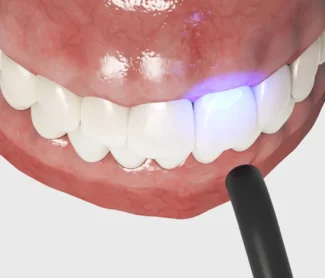
We may use digital technology when it provides useful information for diagnosis or treatment planning. The procedure may vary depending on the tooth and how much repair it needs.
What Can You Expect After a Dental Filling?
If local anaesthesia was used, your mouth may remain numb temporarily. Until sensation returns, avoid accidentally biting your cheek, lip, or tongue and follow the eating instructions provided after treatment.
Temporary sensitivity or tenderness can occur after a filling. Contact us if you experience persistent or worsening pain, prolonged sensitivity, or continued discomfort when biting. Continue brushing and flossing normally unless we provide different instructions for the treated area.
How Long Do Dental Fillings Last?
The lifespan of a filling varies depending on its size and location, chewing forces, oral hygiene, dietary habits, teeth grinding or clenching, and whether new decay develops.
Have an existing filling evaluated if it:
- Becomes loose or falls out
- Cracks or chips
- Develops rough edges
- Causes new sensitivity or discomfort when biting
During routine examinations, we also check existing fillings for wear, cracks, looseness, or other changes.
When Might a Tooth Need More Than a Filling?
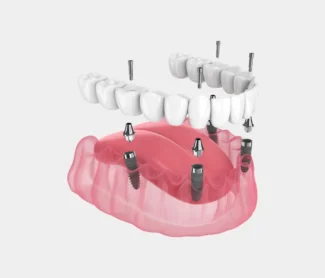
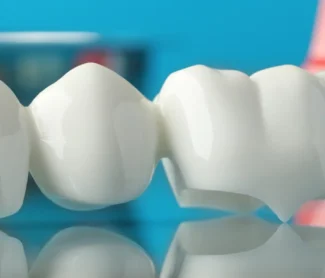
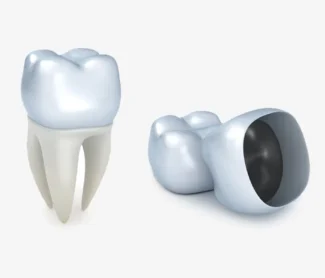
A filling may not be appropriate when a tooth has extensive decay, a significant fracture, or insufficient healthy structure to support the restoration. We examine the tooth and recommend a restorative option that reflects its current condition.
If you are searching for tooth fillings near me because of pain, sensitivity, or visible damage, an examination can determine whether a filling or another treatment is appropriate.
Why Choose Lumiere Dental Boutique for Dental Fillings in West Vancouver?
We plan each filling around the condition of the tooth and the amount of healthy structure that remains.
- 70+ years of combined dental experience: Our dental team draws on decades of experience when evaluating and treating patients.
- Advanced digital dentistry: Digital technology supports assessment and treatment planning when clinically appropriate.
- Weekend availability: Weekend appointments provide additional scheduling flexibility for patients and families.
We explain what we find, why treatment may be recommended, and what options are appropriate for the tooth.
Restore Your Tooth With Personalized Dental Care
If you have noticed tooth sensitivity, discomfort, visible damage, or changes in an existing filling, our team can evaluate the area and discuss appropriate treatment options. Reach out to arrange a visit so we can examine the affected tooth and discuss your options.
Frequently Asked Questions About Dental Fillings
Early changes in tooth enamel may sometimes be managed without a filling, depending on their stage and clinical findings. Once decay has formed a cavity and tooth structure has been lost, restorative treatment may be necessary. A dental examination can determine the extent of the decay and the appropriate approach.
Avoid chewing hard foods on the affected tooth and arrange a dental evaluation. The exposed area may become sensitive or susceptible to additional damage. We can examine the tooth and determine what type of restoration is appropriate.
This depends on the treatment performed and whether local anaesthesia was used. If your mouth remains numb, you may need to wait until normal sensation returns to avoid accidentally biting your cheek, lip, or tongue. Follow the instructions provided after your appointment.
We consider factors such as the location and extent of the decay or damage, how much healthy tooth structure remains, and the forces placed on the tooth during biting and chewing. These findings help us determine whether a filling can adequately restore the tooth or whether another restorative approach should be considered.